Last updated: June 2026
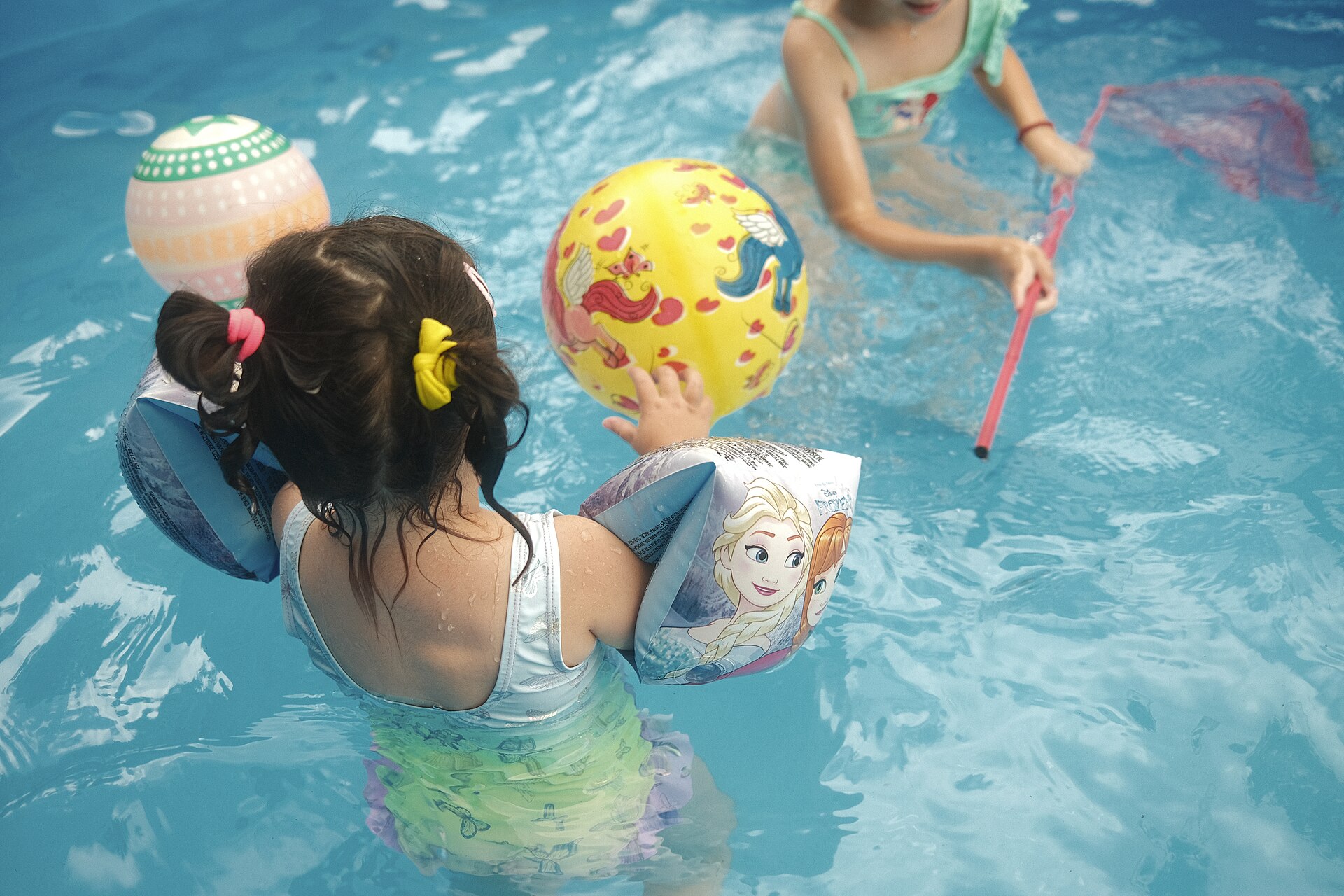
Backyard water play can save a hot afternoon, but it can also turn into soaked clothes, slippery patios, missing towels, and a child who melts down when it is time to come inside.
If you are searching for a backyard water play checklist for toddlers, you probably do not need a perfect summer schedule. You need a repeatable system that your child can understand and that you can actually keep using on tired days.
Quick answer: A backyard water play checklist should cover setup, supervision, sun protection, safe surfaces, towels, water bottle, dry clothes, and a transition plan before the hose turns on.
Why this summer problem feels so hard
Water play combines excitement, slippery surfaces, sun exposure, and a difficult ending. Preparing the safety boundary and dry transition before water starts prevents avoidable scrambling.
The simplest way to build a backyard water play setup
Define the play zone, set out shade and drinking water, and place towels and dry clothes nearby. Use only a shallow amount of water and empty containers immediately afterward.
- Set the boundary for where water play happens.
- Put towels, dry clothes, and cleanup bin out first.
- Use shallow water and active supervision.
- Add simple tools such as cups, sponges, and scoops.
- Give a five-minute warning and a warm towel transition.
What to check before backyard water play
Keep an adult actively supervising and within reach as appropriate for the child's age. A checklist helps with setup but never makes water play unsupervised.
- An actively supervising adult
- A non-slip play boundary
- Shade and sun protection
- Drinking water
- Towels and dry clothes
- A plan to empty and store containers
Try it in one real situation
Place two or three tools in the play area and keep the rest away. Tell the toddler the ending sequence before the hose or bin opens: last pour, water off, towel, dry clothes. A predictable finish is easier to follow than an abrupt announcement.
Common mistakes to avoid
Do not step away because the water is shallow. Supervision, safe surfaces, and emptying containers are more important than adding activities.
- Leaving cleanup supplies inside the house.
- Adding too many slippery toys.
- Ending play suddenly without a transition cue.
Printable next step
Pair the checklist with a simple play or transition printable:
You can also browse the related toolkit categories:
Frequently asked questions
What do toddlers need for backyard water play?
Towels, sunscreen, water bottle, dry clothes, shallow water, simple tools, and close supervision.
How do you transition toddlers out of water play?
Preview the ending, offer one last pour or splash, then move to a towel, snack, or quiet indoor activity.
References
Featured image source: open-license image previously uploaded from Wikimedia Commons.