Last updated: June 2026
Sensory play can sound like something that requires a supply closet, laminated cards, and a perfect outdoor setup. Most parents need the opposite: something quick, washable, and engaging enough to buy a few calm minutes.
If you are searching for a summer sensory bin ideas for toddlers, you probably do not need a perfect summer schedule. You need a repeatable system that your child can understand and that you can actually keep using on tired days.
Quick answer: The best summer sensory bins for toddlers are simple: water and cups, ice and spoons, flower soup, sponge squeeze, washable color sorting, or a nature treasure tray.
Why this summer problem feels so hard
Sensory play becomes exhausting when setup and cleanup are larger than the play itself. A simple bin needs one safe base, one action, and a boundary for where materials stay.
The simplest way to build a low-prep summer sensory rotation
Build from what you already have: water with cups, ice with a scoop, or large natural items for sorting. Place the towel or tray before adding the materials.
- Pick one base: water, dry rice, pom-poms, leaves, or ice.
- Add one tool: scoop, spoon, tongs, cup, or sponge.
- Add one learning layer: color, size, count, pour, or match.
- Keep towels and cleanup supplies nearby before play starts.
- Rotate the same bin in a new place instead of rebuilding from scratch.
A low-prep sensory-bin formula
Choose materials for the child's age and current mouthing behavior, and supervise throughout. The goal is open exploration, not completing an adult-designed lesson.
- One age-appropriate base
- One scoop, cup, or pair of tongs
- One action such as pour or sort
- A tray, mat, or outdoor boundary
- A nearby cleanup container
- A clear all-done signal
Try it in one real situation
Test the bin with a small amount of material for ten minutes. Notice whether the child pours, transfers, lines up, or pretends, then use that interest for the next variation. Reuse the same tools in a different location instead of creating a new themed bin each day.
Common mistakes to avoid
Avoid small loose parts when they are not developmentally appropriate. A printable can organize ideas, but it never replaces close supervision or material-safety judgment.
- Adding too many tiny materials for very young toddlers.
- Choosing messy bases on a day you have no cleanup energy.
- Turning sensory play into a lesson before the child has explored.
Printable next step
Use these printables to plan a safe, manageable rotation:
You can also browse the related toolkit categories:
Frequently asked questions
What is a good first summer sensory bin?
A water bin with cups, spoons, and floating toys is usually the simplest first option.
Are sensory bins good for toddlers?
Sensory bins can support exploration, language, fine motor practice, and calm focus when supervised and age-appropriate.
References
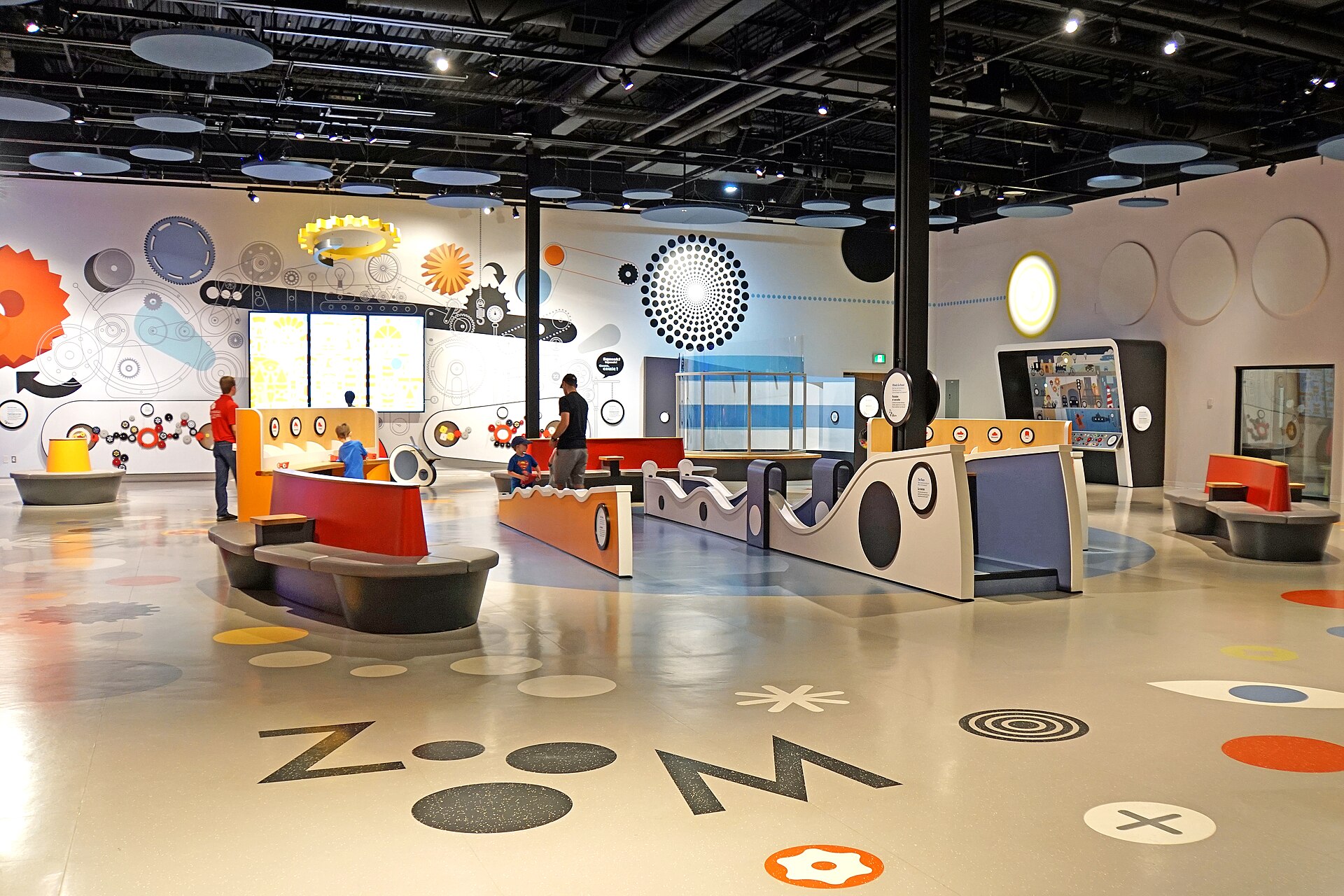
Featured image source: open-license image previously uploaded from Wikimedia Commons.